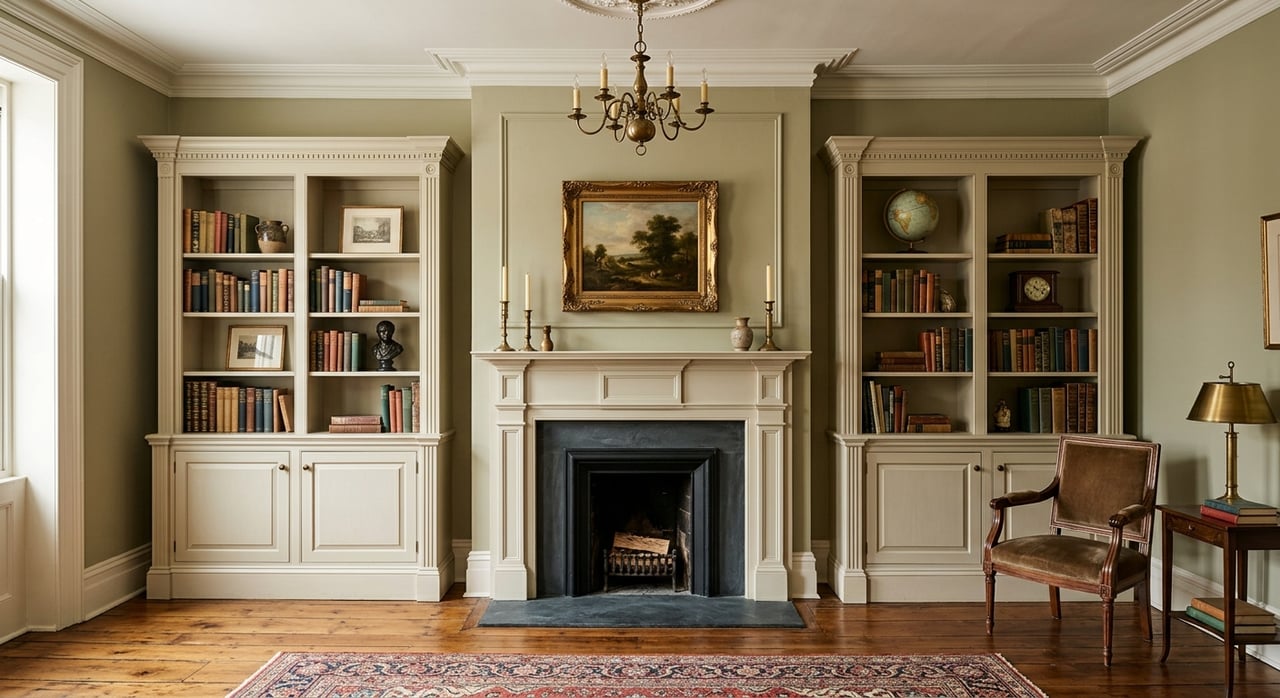
Selling a Historic Home in Old Town Alexandria Successfully
May 21, 2026
May 21, 2026
Thinking about selling a historic home in Old Town Alexandria? You are not just listing square footage and finishes. You are bringing a piece of Alexandria’s architectural story to market, and that comes with real opportunities, extra documentation needs, and a few rules that can affect timing. If you want to protect value, avoid surprises, and position your home well, it helps to understand what makes a historic sale different. Let’s dive in.
Old Town Alexandria has deep historic significance. According to the City of Alexandria, more than 200 structures built before 1820 still stand in the city, and most are in Old Town. The Old and Historic District was designated in 1946 as the third historic district in the United States.
That history matters because not every "historic" label means the same thing when you sell. The first question is whether your home is inside one of Alexandria’s local historic districts, especially Old and Historic Alexandria or Parker-Gray. A home can be associated with a historic area in other ways, but local district status is what brings exterior review rules into play.
If your property is in a regulated local district, exterior changes visible from a public right-of-way generally require approval through the Board of Architectural Review, or BAR. Interior work does not follow that same review process. This distinction can shape what buyers ask about, how you prepare your listing, and how quickly you can resolve pre-listing issues.
Before you choose a pricing strategy or start cosmetic work, confirm whether your home is in the local historic district. The City directs owners to its Historic Preservation Map viewer for that purpose. This is one of the first due diligence steps worth taking.
Why does this matter so much? Because buyers, inspectors, and agents may focus on whether visible exterior work was properly approved. If there were past changes to windows, doors, siding, masonry, roofing, or other exterior elements, district status can affect how those changes are viewed during negotiations.
It also affects your timeline. The BAR guide says complete applications must be submitted at least 30 days before a hearing date, though some changes may be approved administratively by staff. If you are thinking about making updates before listing, build in enough time for review.
In Old and Historic Alexandria, exterior alterations visible from streets, alleys, waterways, or parks generally need a Certificate of Appropriateness. Demolition or encapsulation of more than 25 square feet of material generally requires a Permit to Demolish. For sellers, this means even projects that seem modest can have approval implications.
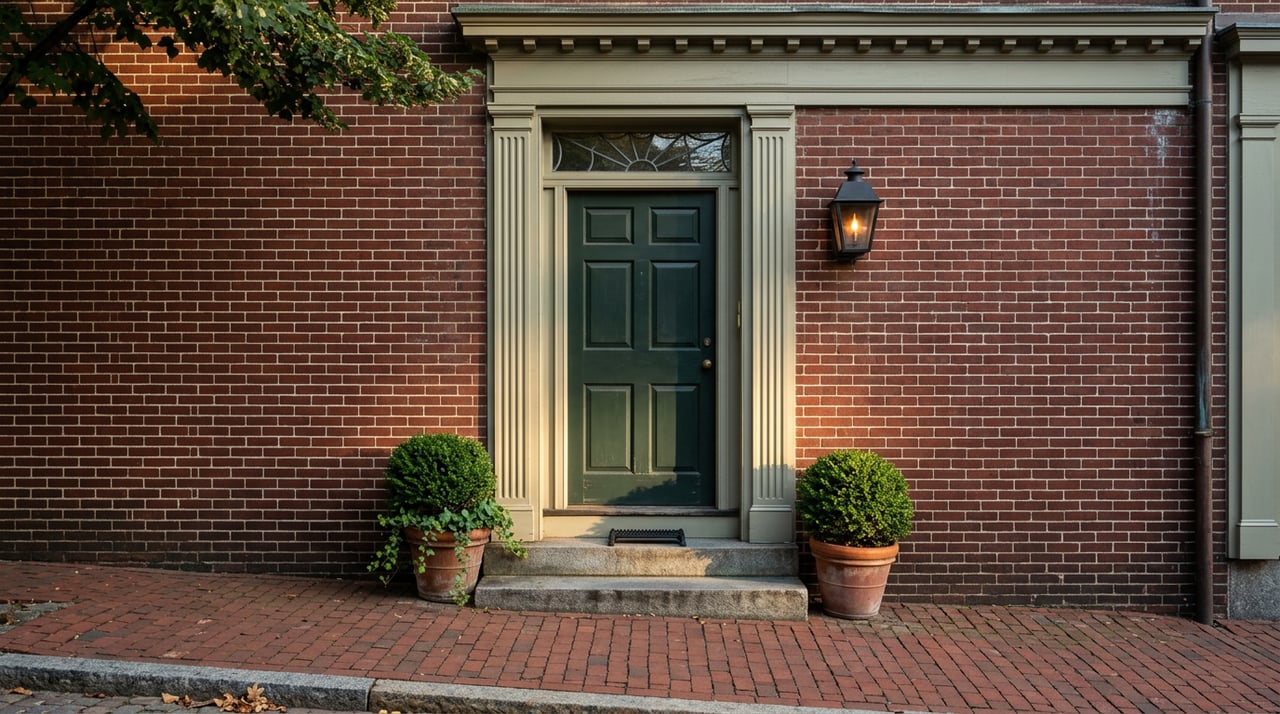
For example, the City’s guidance says a new door installed in an existing wall that is visible from the public right-of-way requires a Certificate of Appropriateness. Removing or encapsulating 25 square feet or more of door or wall area can also trigger demolition review. If you are considering a quick pre-sale refresh, it is smart to check the rules first.
This is one reason unfinished exterior projects can create drag in a sale. If work appears incomplete, undocumented, or inconsistent with district guidelines, buyers may start pricing in delay, risk, or future costs. Strong preparation can help you avoid that discount.
Old Town is not a generic Alexandria market, and your pricing should reflect that. Redfin reports a March 2026 median sale price of $1,097,500 in Old Town, with a median of 24 days on market. Over the prior three months, it also reports that homes sold in about 16 days and around 1% above list price.
By comparison, Realtor.com’s April 2026 Alexandria summary shows a citywide median sold price of $680,000, 25 median days on market, and a 100% sale-to-list ratio. In other words, Old Town operates at a different price point, and neighborhood-specific comps matter.
For a historic home, pricing should go beyond size and bedroom count. You also want to weigh:
A home with preserved character and clean records may support a stronger price position. A home with deferred maintenance or unclear exterior changes may still attract interest, but buyers often adjust for uncertainty.
Historic homes in Old Town tend to perform best when the marketing leans into authenticity rather than trying to make the home sound like a generic luxury property. The City describes the district as having a large concentration of surviving early buildings and a broad range of late-18th- and 19th-century architecture, especially Federal-period buildings. That gives you a strong factual foundation for the listing story.
The right presentation should help buyers understand both the home and the setting. In Old Town, that often means highlighting original details, the continuity of the streetscape, and the lived-in appeal of a neighborhood with architectural depth.
Lifestyle also supports the marketing narrative. Redfin rates Old Town as Very Walkable with a walk score of 84, Good Transit at 52, and Very Bikeable at 81. Those factors can help buyers picture day-to-day convenience alongside historic charm.
A well-prepared historic listing is not just attractive. It is easy for buyers to evaluate. That is where a seller packet can make a meaningful difference.
A strong package may include:
The City does not require this exact package for every sale, but organized documentation can still help. Virginia’s Residential Property Disclosure Statement tells buyers to investigate local historic district ordinances, maps, and approval requirements on their own. When you present clear records upfront, you can make that investigation easier and reduce uncertainty during negotiations.
Not every improvement adds value equally in a historic district. Alexandria’s design guidance generally favors repair and in-kind replacement over modernization. That principle matters if you are trying to decide what to fix before going live.
For example, on early buildings in the Old and Historic District, windows should be repaired rather than replaced when possible. If replacement windows are used, they should fit the original opening, and vinyl windows are not considered appropriate. Similar guidance applies to siding, roofing, and masonry.
The City also says siding repairs should match the existing material and profile, and aluminum and vinyl siding are not appropriate. Roofing with original or historically important materials should be preserved and repaired when possible. For masonry, the guidance emphasizes matching historic mortar and using gentle cleaning methods instead of abrasive approaches.
The practical takeaway is simple: do not assume a cosmetic shortcut is harmless. In a historic district, the wrong update can hurt presentation, complicate approvals, or create new negotiation issues.
Historic-home buyers often come in with more questions, and that is reasonable. You can prepare for that by reviewing likely disclosure and diligence topics before the home hits the market.
Virginia’s Residential Property Disclosure Statement says sellers do not make representations about whether historic district ordinances affect the property and directs buyers to review the local ordinance, official map, and related locality materials. Even so, you can still make the process smoother by knowing your home’s district status and gathering records tied to prior exterior work.
If your home was built before 1978, lead-based paint rules are also relevant. Federal rules require disclosure of known lead-based paint information and the opportunity for an independent lead inspection. Renovation work that disturbs painted surfaces in pre-1978 housing must also follow lead-safe work practices.
Flood risk is another issue worth checking in advance, especially in parts of Old Town. The City says updated FEMA maps became effective on January 11, 2024, and Alexandria provides property-specific flood-risk mapping, including information tied to the Potomac River and Old Town areas. If flood questions are likely to arise, it is better to understand them before a buyer does.
If you are preparing to sell a historic home in Old Town Alexandria, focus on these four items first:
This kind of preparation supports stronger positioning from day one. It also gives you a cleaner negotiation path once offers start coming in.
Selling a historic home in Old Town is rarely about rushing to market with a few surface-level updates. The stronger approach is usually a measured one: understand the district rules, document the home’s history of care, price against the right local comps, and present the property in a way that respects what makes it unique.
That is where a negotiation-first strategy can create real value. When you can answer buyer questions clearly, explain the home’s condition with confidence, and reduce uncertainty around approvals and maintenance, you are in a better position to protect price and terms.
If you are considering a sale in Old Town and want a thoughtful plan tailored to your property, connect with Herbert Riggs for a strategy consultation.
Stay up to date on the latest real estate trends.
Riggs & Co. has established an award-winning real estate practice with a vision that pays attention to detail and provides extraordinarily intelligent advice.