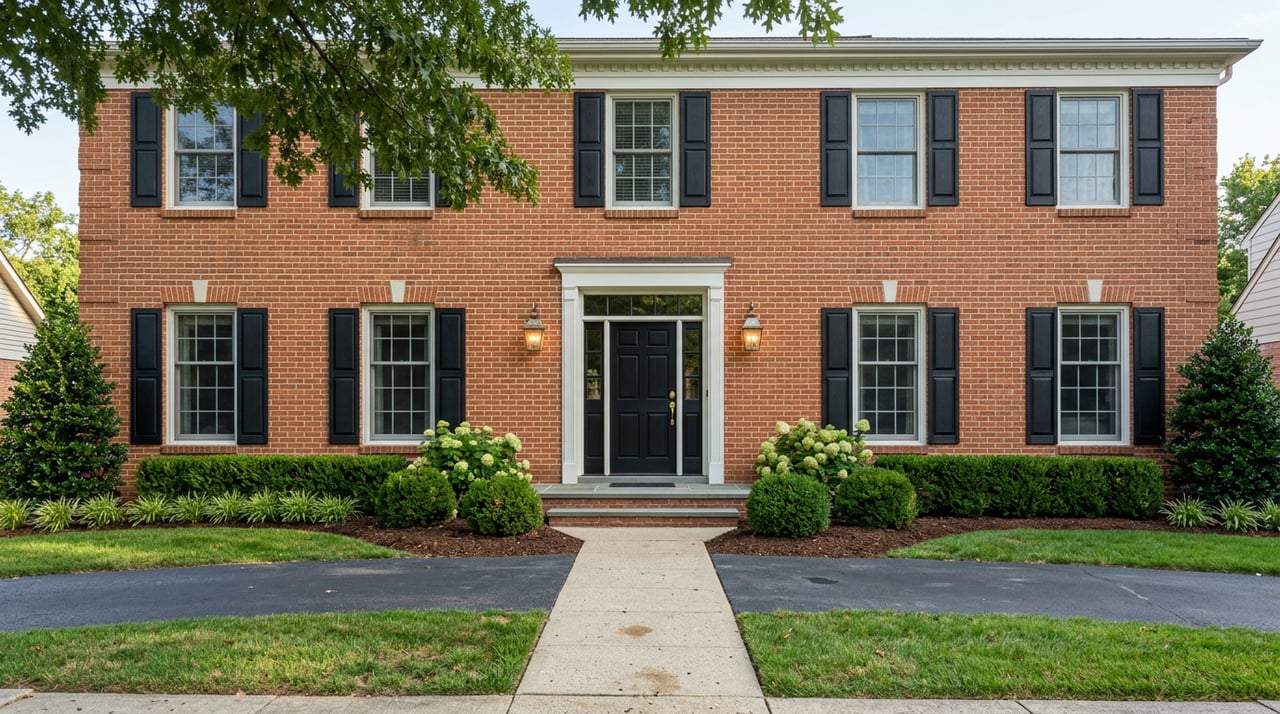
Preparing Beverly Hills Alexandria Homes to Outperform
March 5, 2026
March 5, 2026
If you want your Beverly Hills Alexandria home to beat the broader market, the work starts months before you list. Buyers here pay a premium for classic brick charm, useful outdoor space, and a home that feels turnkey. With a clear plan, you can focus every dollar on updates that remove buyer doubts, amplify curb appeal, and set you up to price with confidence. This guide shows you what to do, when to do it, and how to market it for the strongest outcome. Let’s dive in.
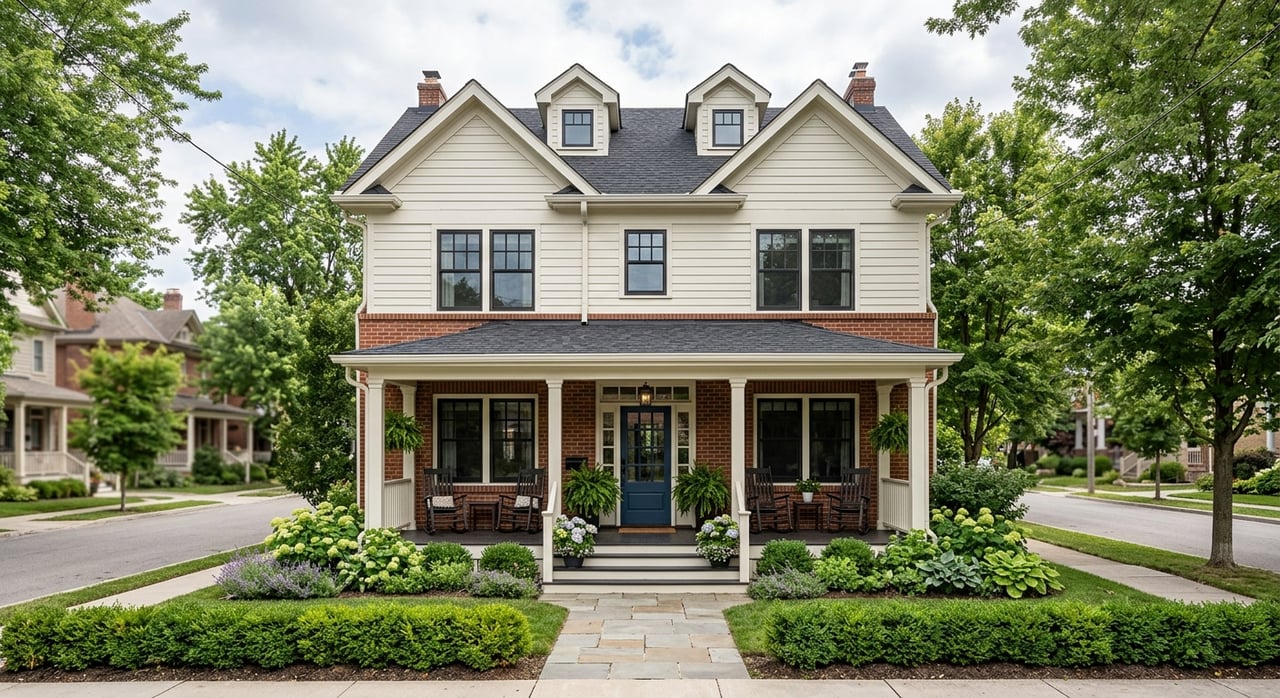
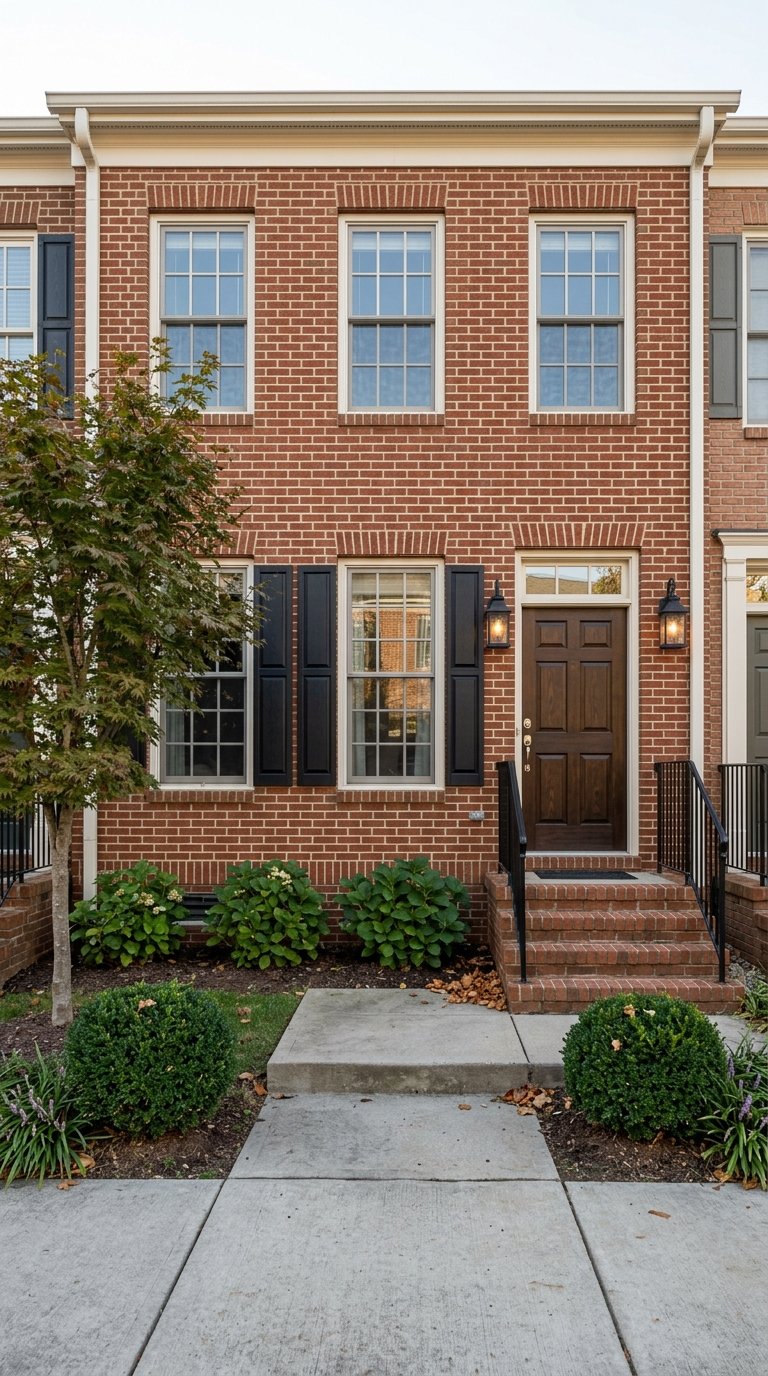
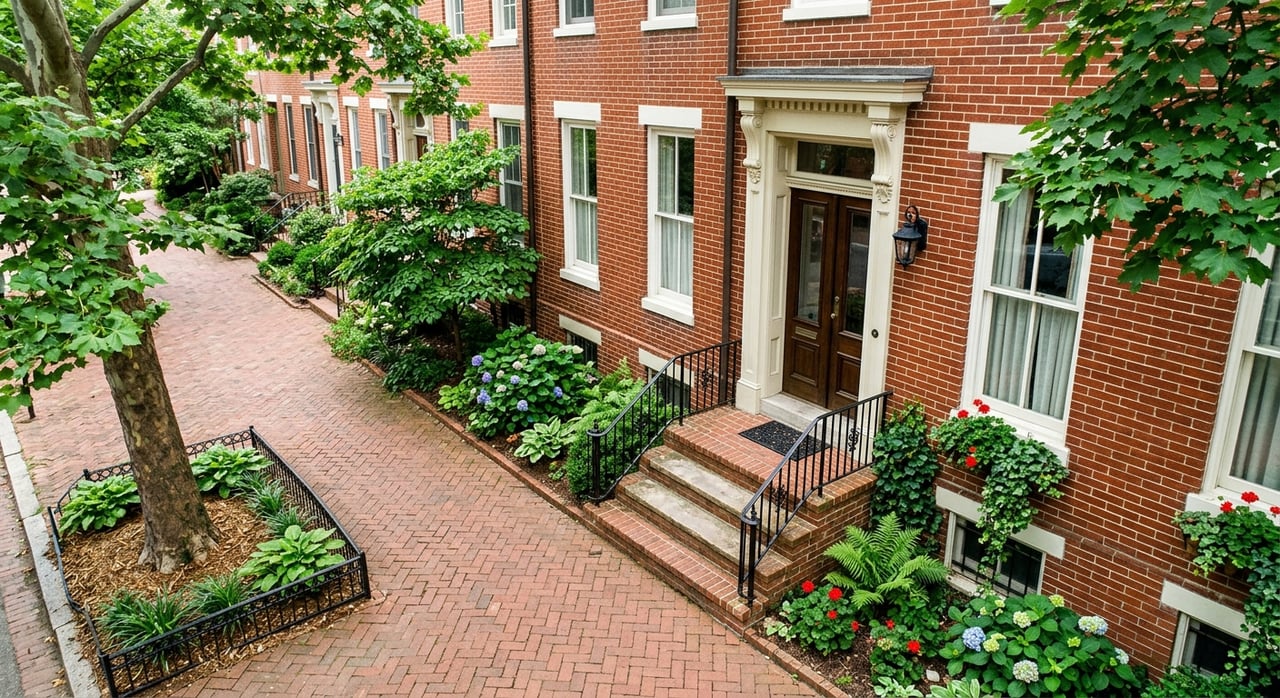
Locals often write the neighborhood as Beverley Hills, but you will also see Beverly Hills in listings and on consumer sites. The pocket sits in upper North Ridge and is known for its mature trees, rolling streets, and mostly 1930s–1950s single-family brick homes. You will find Cape Cods, Colonials, bungalows, and occasional newer rebuilds, many with basements and fireplaces, on lots that often run about 0.17 to 0.3 acres. There is no HOA, and nearby parks such as Beverley Park, known as “The Pit,” are popular community anchors that many buyers value for everyday outdoor time. You can learn more about the neighborhood character from a local overview on ALXnow’s Beverley Hills spotlight, and see park details on the City’s page for Beverley Park.
Commute access is a consistent selling point. Proximity to Reagan National Airport, the Pentagon, Shirlington, Crystal City, and Old Town Alexandria helps Beverly Hills compete strongly in the Northern Virginia market.
ZIP-level data for 22305 often shows a median sale price around the $700,000 mark. That number blends very different property types and conditions across the ZIP. Within Beverly Hills, recent sales for detached homes commonly land well above the ZIP median, often in the 1 million to 1.7 million range, with higher outcomes for larger or extensively renovated homes on oversized lots. This premium is normal for an established, tree-lined enclave inside a broader ZIP area.
Inventory in this pocket is typically tight. When a well-prepared, well-presented brick home hits the market, it tends to move quickly. Your goal is to place your property in that “well-positioned” category so it attracts strong early interest and reduces time on market.
Aim for updates that reduce buyer uncertainty, improve everyday function, and boost curb appeal. National project data from Remodeling’s Cost vs. Value 2025 shows minor kitchen updates near the top of the ROI list, with a national midrange minor kitchen refresh recouping about 113 percent on average. Review the national table on Cost vs. Value to calibrate your budget.
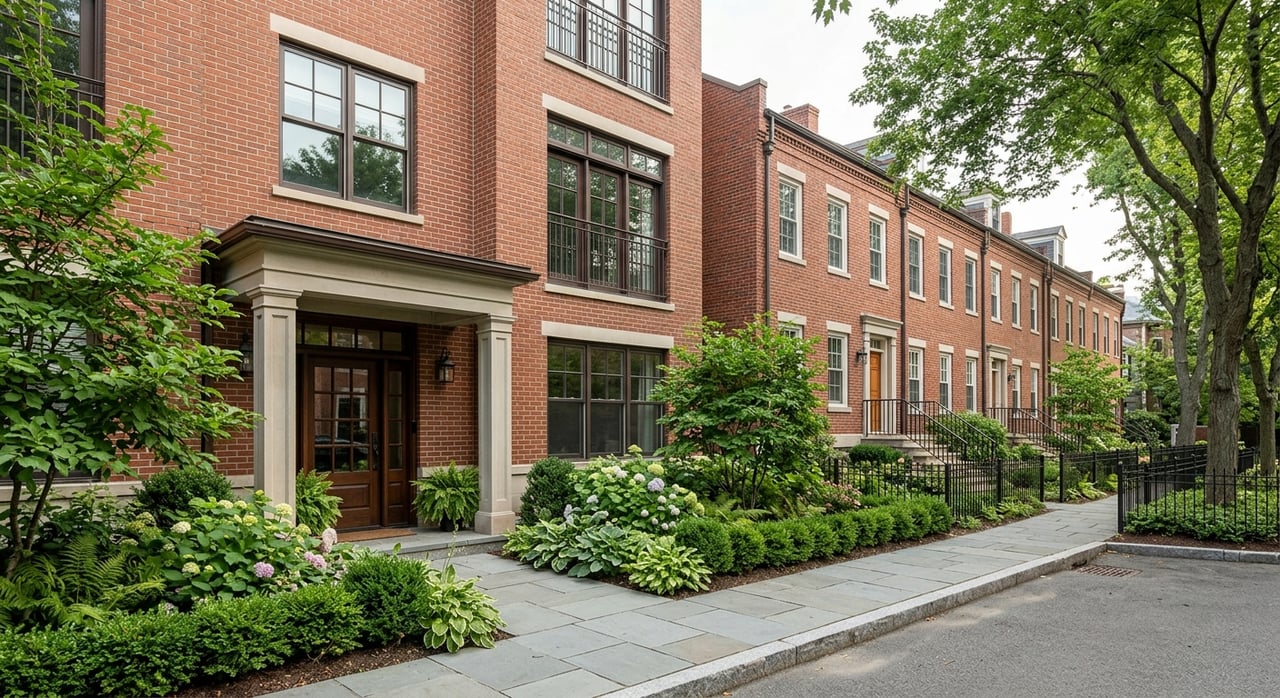
Older brick exteriors deserve professional, preservation-minded maintenance. If mortar joints are deteriorating, have an experienced mason repoint selectively with compatible mortar. The National Park Service outlines best practices for masonry care in its guidance on preserving and repairing masonry. Avoid abrasive cleaning methods, and keep gutters and downspouts in good order to prevent moisture issues.
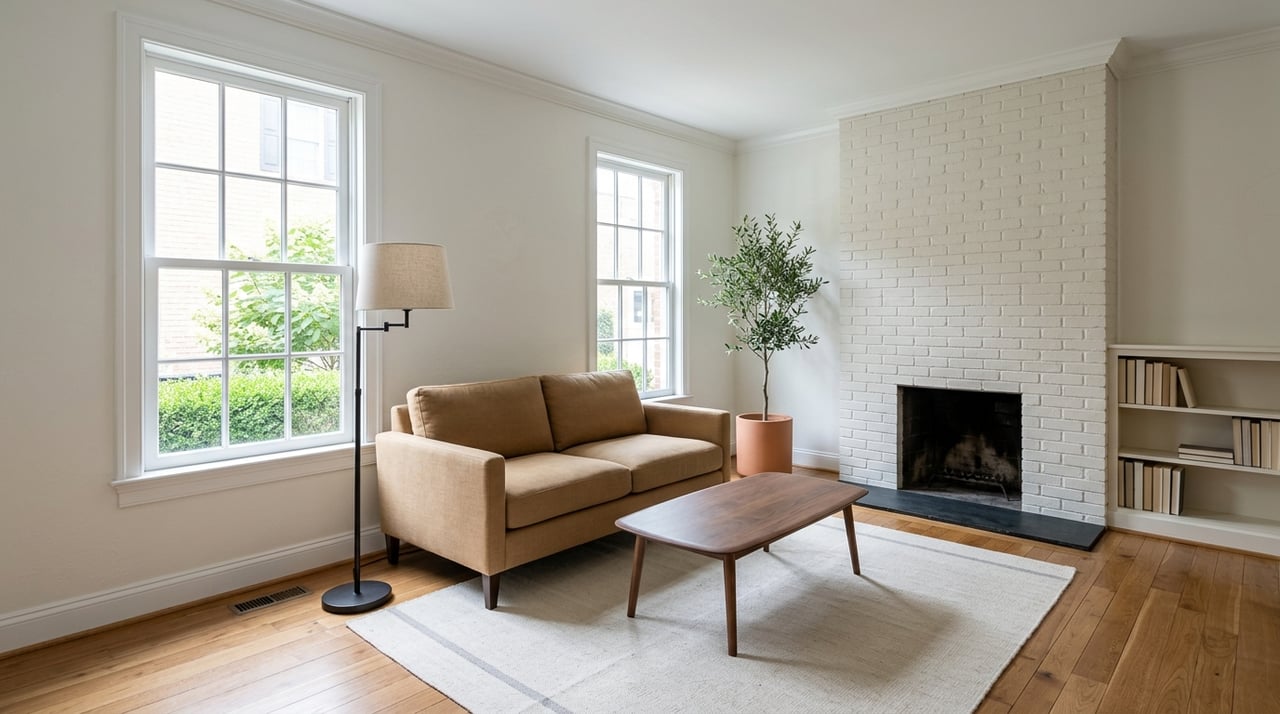
Inside, highlight original features that buyers love to see: fireplaces, built-ins, wood trim, and crown molding. Keep the palette neutral and the lighting updated, so the home feels both authentic and current.
A clear timeline prevents rush decisions and contractor bottlenecks.
Staging helps buyers visualize living in the home, and it often reduces time on market while supporting stronger offers. NAR’s research reports faster sales and price improvements for staged homes, and underscores how professional photos, video, and virtual tours shape first impressions. See the findings in NAR’s latest staging report.
Plan for a professional photo package, a measured floor plan, a 3D walkthrough, and a short lifestyle video. These assets widen your buyer pool, drive clicks, and help serious buyers commit to early showings.
A phased strategy can build demand before days-on-market start counting publicly. Compass’s three-phase approach—Private Exclusive, Coming Soon, then full MLS—lets you test aspirational pricing and gather engagement data with controlled exposure. Compass reports internal findings that properties using pre-marketing averaged about a 2.9 percent higher close price and faster contracting, though results vary by property and market segment. Learn more about the approach at Compass Homeowners.
If strategic prep is the barrier, Compass Concierge can front costs for staging, paint, landscaping, flooring, and small repairs, then recover the funds at closing. Review program details and eligibility to ensure the projected net lift justifies the spend.
Preparation changes the negotiation math. A seller-side inspection, visible repairs, and clean documentation reduce the odds of late-stage credits or retrades. Strong staging and a complete digital package increase competition, which supports tighter timelines and firmer pricing.
Use this negotiation checklist to reduce buyer leverage:
Most structural work, major exterior changes, and some mechanical upgrades require permits. Plan ahead with the City’s Permit Center, review permit requirements, and confirm any zoning considerations for additions or site changes. If you will submit through the City’s APEX system, build that lead time into your schedule.
Beverly Hills rewards sellers who combine classic brick character with clean, confident presentation. If you focus on the right improvements, document the home’s health, and market with intention, you put your property in the top tier of neighborhood listings. For a data-backed plan tailored to your home and timeline, request a one-on-one consult with Herbert Riggs.
Stay up to date on the latest real estate trends.
Riggs & Co. has established an award-winning real estate practice with a vision that pays attention to detail and provides extraordinarily intelligent advice.