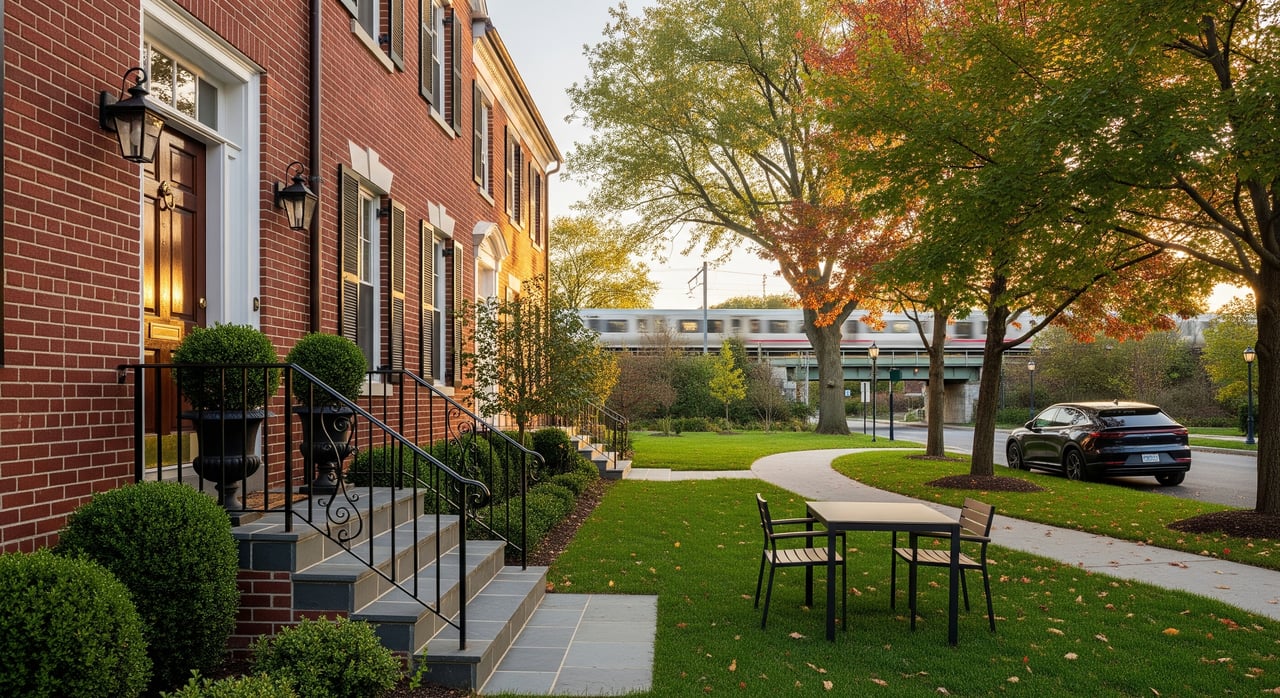
Living in Franconia VA: Parks, Dining and Daily Commutes
February 5, 2026
February 5, 2026
Thinking about Franconia but wondering what your day-to-day would feel like? If you want suburban breathing room with quick access to DC, Arlington, and Old Town, this pocket of Fairfax County is worth a close look. In this guide, you’ll get a clear view of Franconia’s parks and trails, dining and shopping, and the commute choices that shape daily life. Let’s dive in.
You get a strong mix of neighborhood green space and regional nature within an easy drive. Local parks, playgrounds, and athletic fields are managed by the Fairfax County Park Authority, and you’ll find stream‑valley paths tucked between subdivisions. These smaller parks make everyday walks with a dog or stroller simple.
For bigger outdoor days, you have wetlands, lakes, and Potomac River trails nearby. That balance is a major draw if you want quiet streets at home and weekend access to the outdoors.
Huntley Meadows Park
Lake Accotink Park
Mount Vernon Trail access
Everyday neighborhood parks
Tip: Check Fairfax County Park Authority resources for current park hours, trail conditions, and seasonal programs before you head out.
Franconia centers daily errands around a few well‑placed retail corridors. The biggest is Springfield Town Center, the redeveloped mall serving both Franconia and Springfield. You’ll find national retailers, grocery choices, restaurants, a cinema, and services in one spot, which makes weekend errands efficient.
Along Route 1 and other nearby commercial strips, you’ll see a mix of local businesses, casual family restaurants, chain eateries, and independent spots reflecting the region’s diversity. For a special night out, you can drive into Old Town Alexandria or Arlington for more upscale options.
Grocery stores, pharmacies, banks, and essential services are scattered across the main corridors, so your weekly list won’t require long drives. Exact brands and locations vary by neighborhood, but most errands are a short drive or quick transit hop.
The larger Fairfax County and Alexandria area includes facilities from major regional health systems. Inova Health System is one nearby provider with locations across Northern Virginia. For urgent or specialty needs, check each health system’s site to confirm the closest facility for your specific address.
Public safety is managed by Fairfax County agencies. If you want hard data on local trends, consult Fairfax County Police Department resources and crime maps for the most current information.
The Franconia‑Springfield Transit Station is a key advantage if you commute. It anchors the Blue Line for direct Metro access to DC and Arlington and serves as a park‑and‑ride hub for bus connections. Fairfax Connector and WMATA Metrobus routes run through the neighborhood, feeding the station and linking nearby job centers.
If you drive, you’re close to major Northern Virginia corridors:
Express or HOT lanes on I‑95/I‑395 and portions of I‑495 can trim peak travel times, with tolls that vary by traffic. Off‑peak driving can be quick, while peak periods bring heavier congestion across all major routes.
Your best commute depends on time of day, mode, and destination. Here’s how locals make the call:
Use WMATA and Fairfax Connector trip tools to compare options for your exact schedule, and check Virginia traffic resources for real‑time conditions and construction updates.
If you’re weighing Arlington, Old Town Alexandria, or farther‑out Fairfax suburbs, Franconia holds a middle ground that appeals to many buyers and renters:
This balance works well if you want quicker highway and Metro access without paying inner‑core prices.
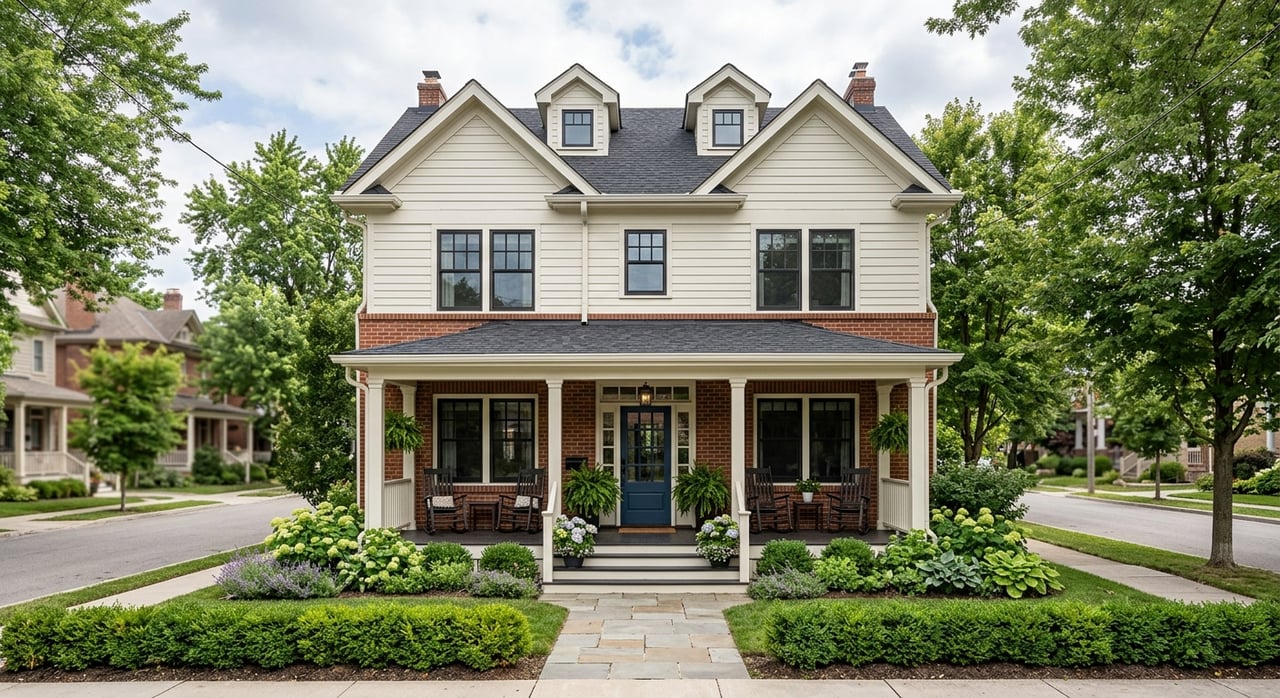
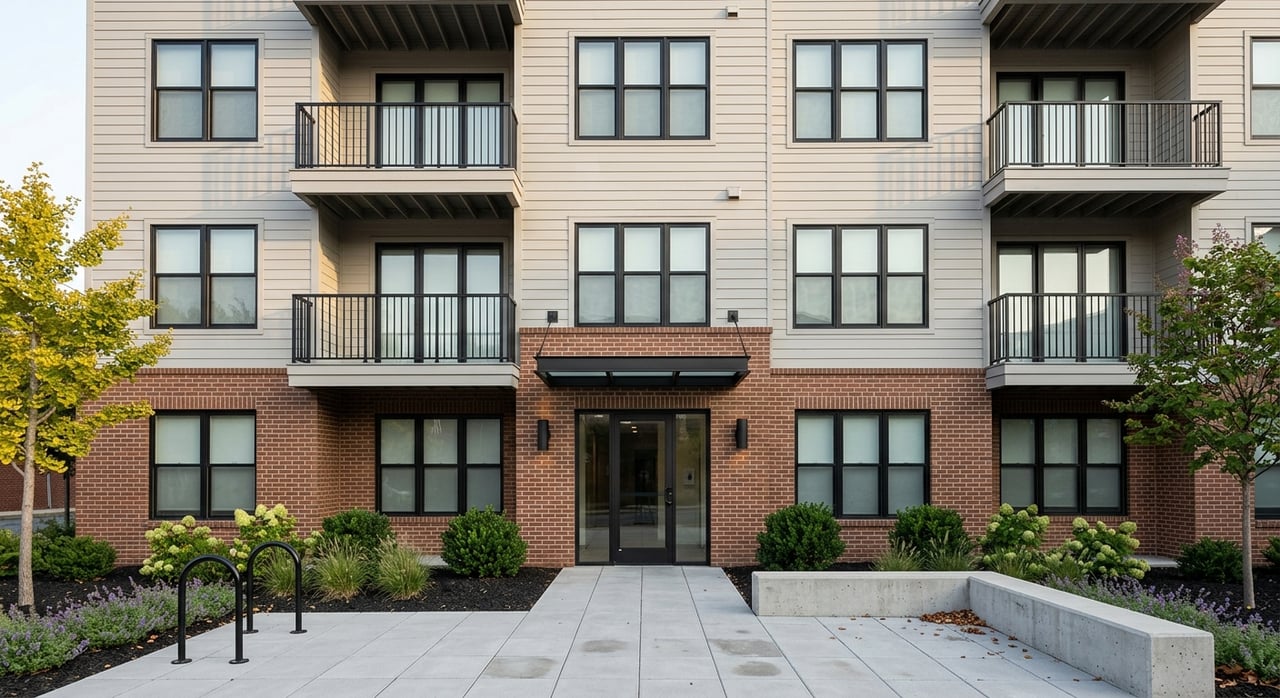
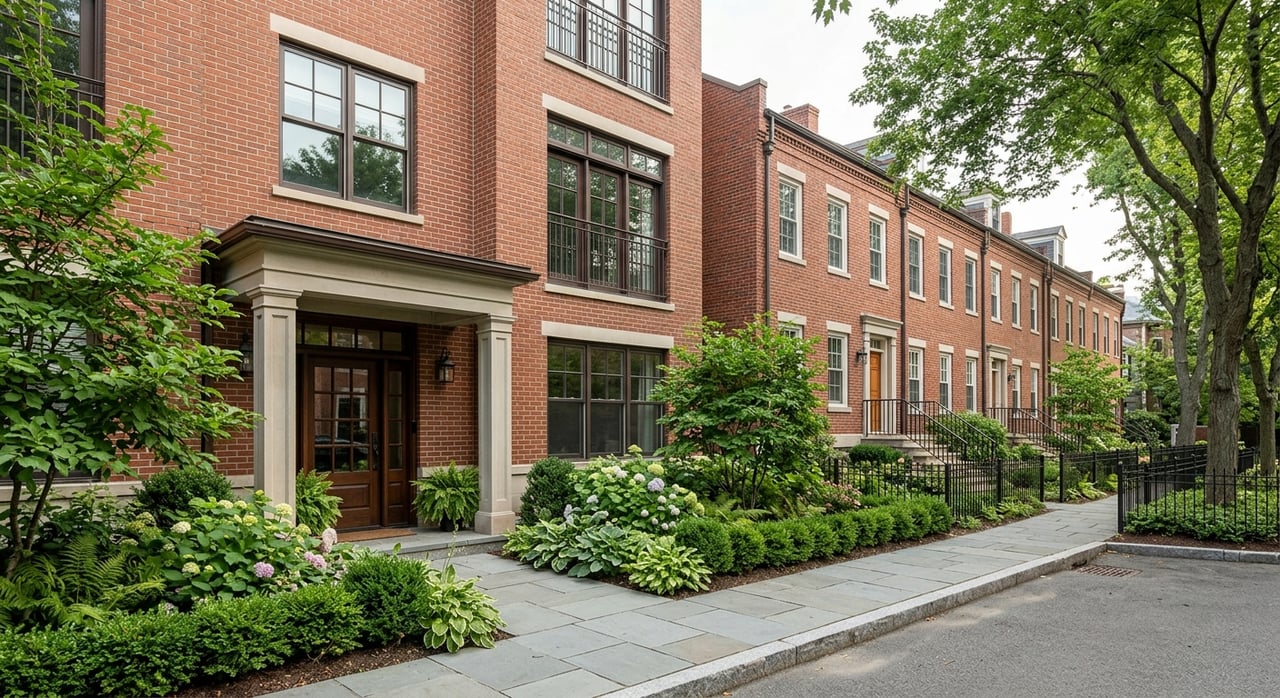
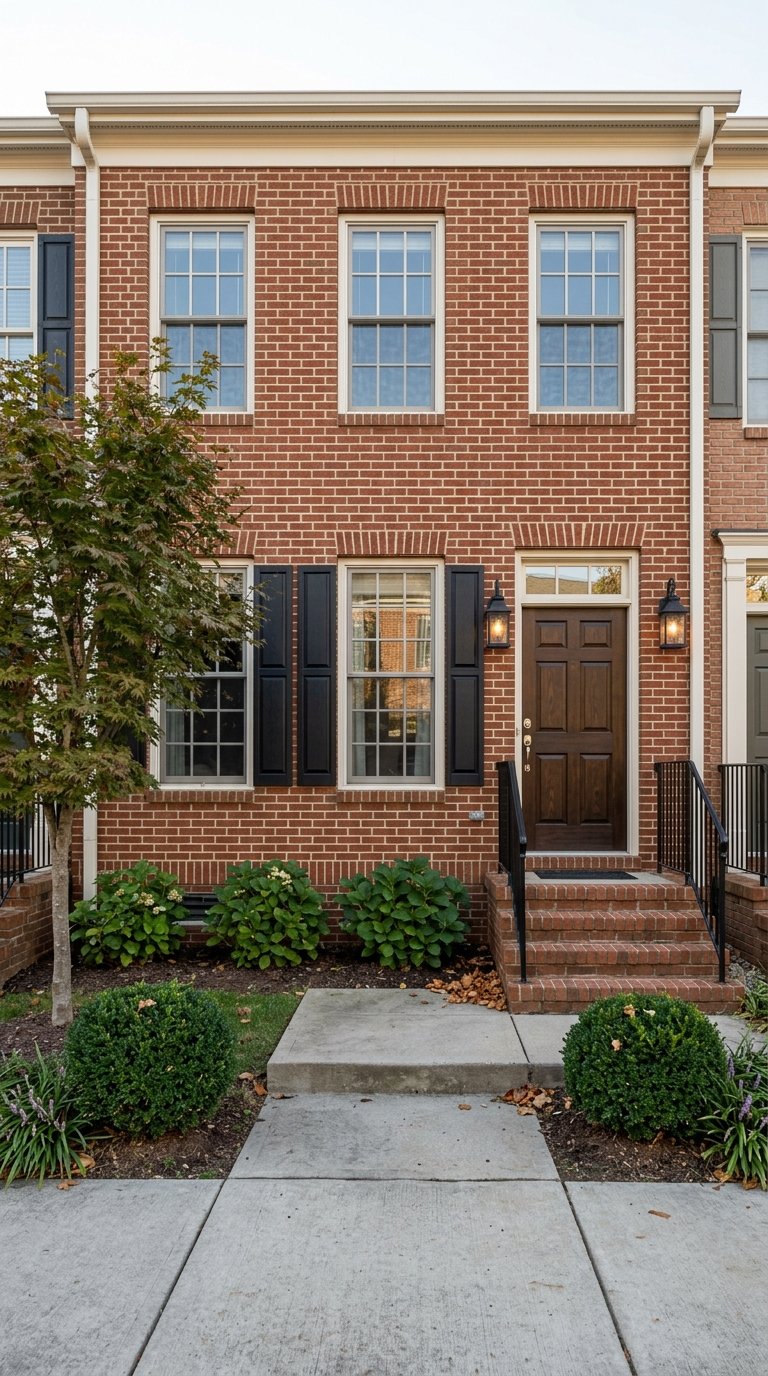
Franconia’s housing stock ranges from post‑war single‑family homes to townhomes, garden apartments, and condo communities, with pockets of newer infill near major corridors. That variety lets you prioritize what matters most to you.
For families, Franconia is served by Fairfax County Public Schools. School boundaries change over time, so confirm assigned schools by address using FCPS tools and review current school data directly from the district.
When you’re ready to narrow your options, a local advisor can translate these tradeoffs into the right block and floor plan. That’s where our negotiation‑first approach helps you focus on value, not just an address.
If Franconia fits your lifestyle goals, we can help you evaluate specific streets, communities, and buildings against your commute, park access, and budget. We advise buyers, sellers, and relocating clients across Northern Virginia and align each move with a clear, step‑by‑step strategy. Ready to compare neighborhoods or schedule an orientation tour? Connect with Herbert Riggs to Request a Strategy Consultation.
Stay up to date on the latest real estate trends.

Riggs & Co. has established an award-winning real estate practice with a vision that pays attention to detail and provides extraordinarily intelligent advice.