Potomac Yard Housing for DC and Amazon Commuters
June 25, 2026
June 25, 2026
Thinking about living near Washington, DC or Amazon’s National Landing offices without defaulting to a long, car-heavy commute? Potomac Yard has quickly become one of the most talked-about options for buyers who want newer housing, direct transit access, and a location tied closely to major job centers. If you are weighing a move to Alexandria and want a clear view of what Potomac Yard offers, what it costs, and what to watch closely before you buy, this guide will help you sort through the tradeoffs. Let’s dive in.
Potomac Yard works best when you think of it as part of a larger urban corridor, not as an isolated neighborhood. It sits within National Landing, the three-neighborhood district that includes Crystal City, Pentagon City, and Potomac Yard, all positioned minutes from Washington, DC.
For many buyers, that matters because the appeal is not just the address. It is the combination of proximity, transit, and access to major employers that makes the area stand out.
A major reason Potomac Yard has gained so much attention is the Potomac Yard-VT Metrorail Station, which opened on May 19, 2023. The station sits on Metro’s Blue and Yellow lines between Ronald Reagan Washington National Airport and Braddock Road.
If you commute into DC, that gives you direct rail access without building your daily routine around driving first. For many relocation buyers, that kind of transit option can make a real difference in both schedule and lifestyle.
Potomac Yard is also served by Metroway, Alexandria’s bus rapid transit service running between Braddock Road Metro and Pentagon City Metro through Potomac Yard and Crystal City. The city has also said a new station at Evans Lane will serve the Potomac Yard Metro area.
That gives you another layer of connectivity within the corridor. If your work or routine takes you around National Landing, that added flexibility can be a meaningful advantage.
The commute story is stronger because major employment anchors are nearby. Virginia Tech’s Innovation Campus opened its first academic building in Potomac Yard in 2025 at 3625 Potomac Avenue, and Amazon has said HQ2 is in Arlington’s National Landing district.
For buyers relocating for tech, government-adjacent, contractor, or innovation-focused roles, Potomac Yard offers a location that is closely tied to where regional investment is happening. That does not guarantee value, but it helps explain why demand here has remained strong.
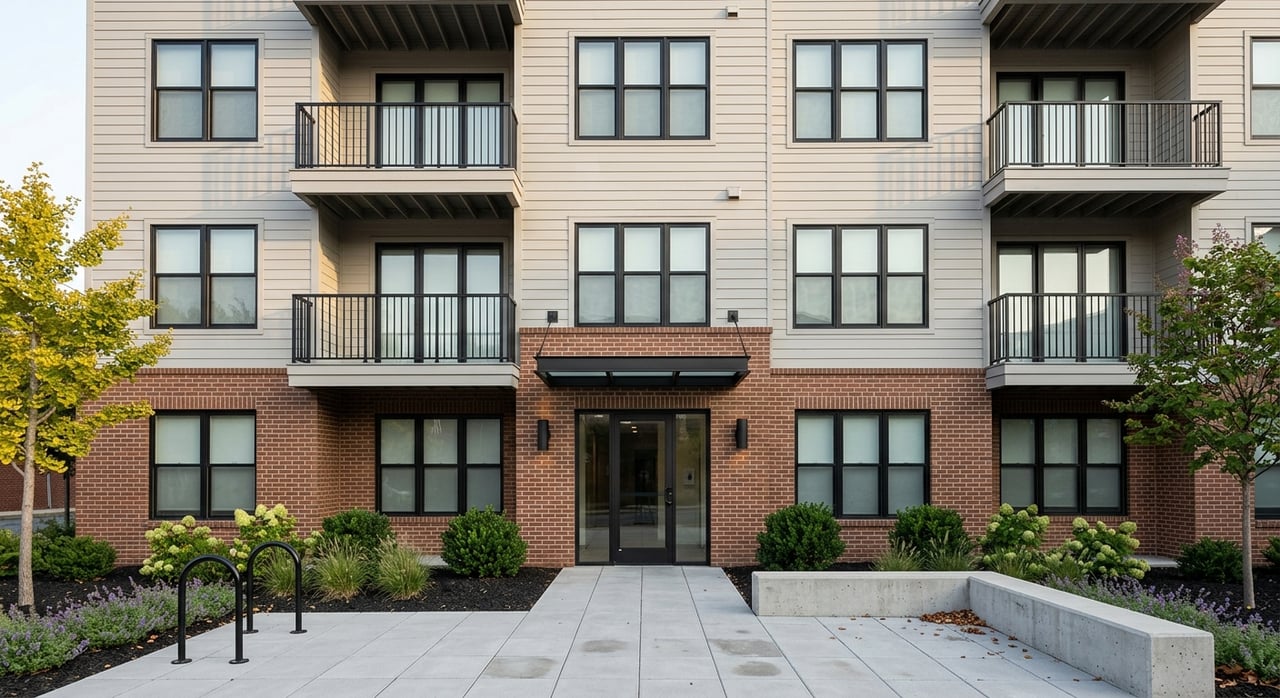
Potomac Yard is not a classic detached-home neighborhood that developed over many decades. The land was once a major railroad freight yard from 1906 to 1982, and today’s neighborhood is the result of planned redevelopment.
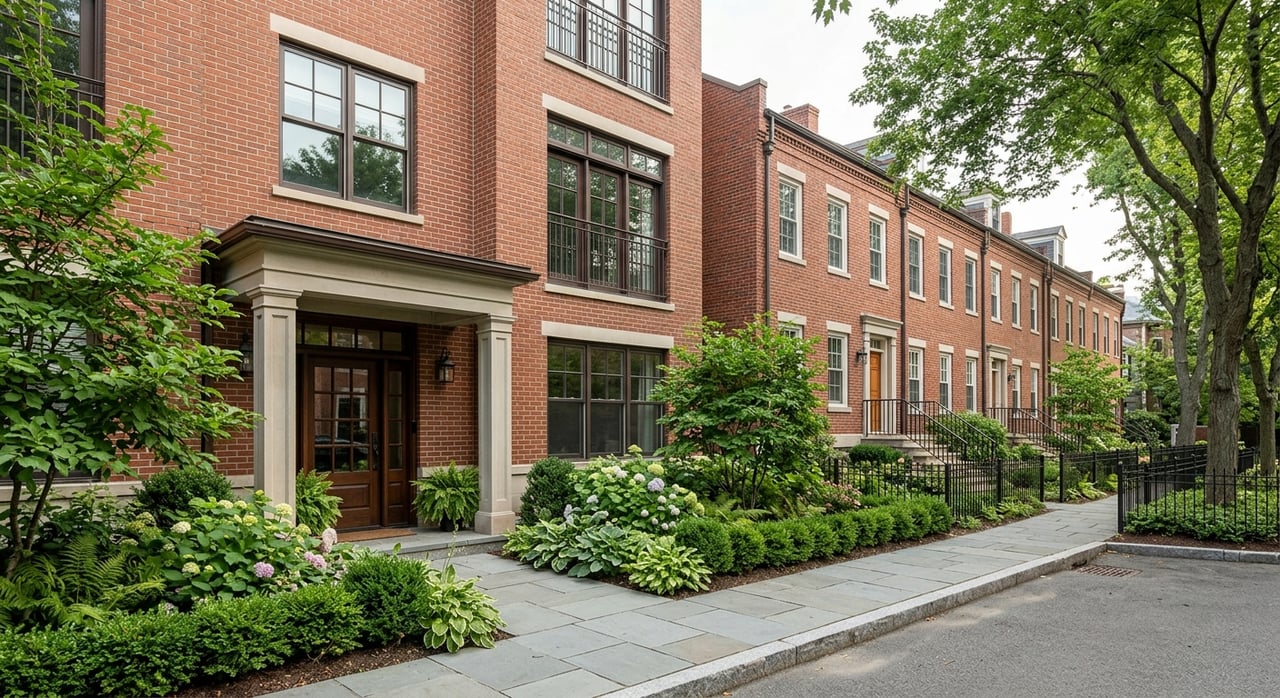
That planning history shapes what you will actually find when you shop for a home here. In practical terms, Potomac Yard is mostly a condo and townhome market with a newer, master-planned feel.
City planning documents call for a housing mix that includes townhouses, stacked townhouses, and multifamily units. That means buyers who want a modern condo or townhome with a more urban layout will likely find more relevant options here than buyers looking for a traditional detached house with a large yard.
This is one of the most important fit questions to answer early. Potomac Yard can be a strong match if you value newer building types, but it may not be the right fit if your priority is a more traditional housing pattern.
The north end of Potomac Yard is still being built out around the station. City materials describe a large mixed-use redevelopment with office, hotel, residential, and retail uses, and active residential projects include Dylan Condominium, The Porter Del Ray, and Landbay L townhomes, with additional residential blocks still in the pipeline.
That means your experience can vary a lot from one block to another. Two homes with the same neighborhood label may offer very different day-to-day surroundings depending on nearby construction, street activity, and how close they sit to transit.
Potomac Yard Park adds practical neighborhood amenities, including playgrounds, a sprayground and interactive fountain, trails, courts, and some lit evening access. For many buyers, that helps balance the area’s transit-oriented and redevelopment-focused character.
It also reinforces the fact that Potomac Yard was designed as a mixed-use community rather than a purely residential pocket. That planned feel is part of the appeal for some buyers and a tradeoff for others.
Potomac Yard is priced like a premium submarket. Recent Redfin data put the median sale price at $1.1 million, up 15.4 percent year over year, with homes averaging 34 days on market compared with 46 days a year earlier.
Zillow’s Potomac Yard-Potomac Greens home value estimate was about $1.06 million, up 0.2 percent year over year. While different sources measure the market differently, both sets of numbers support the same broad takeaway: this is not an entry-level Alexandria price point.
That pricing sits above broader Alexandria, where Redfin reported a median sale price of $663,000. It also sits above Arlington’s $815,000 median sale price and above Del Ray’s $945,000 median sale price.
For buyers, the message is straightforward. You are often paying a premium for a newer, transit-linked address in the National Landing growth corridor.
The drop in average days on market from 46 to 34 suggests homes are moving faster than they were a year earlier. That does not mean every listing is equally competitive, but it does point to a market where well-positioned properties can attract attention quickly.
In a neighborhood like Potomac Yard, price alone does not tell the whole story. Building details often matter just as much as the headline number.
In Potomac Yard, one building can perform very differently from the next. Because the neighborhood is newer and still developing, resale potential and day-to-day livability often depend on details that buyers sometimes overlook on the first tour.
A careful review up front can help you avoid surprises and make a more confident decision.
In this market, important factors often include:
These details can shape both your ownership experience and your future resale position. In a premium-priced submarket, small differences can have an outsized effect.
Alexandria’s implementation pages for North and South Potomac Yard show that the neighborhood is still changing. Transit improvements and redevelopment approvals continue to shape the area.
That is why buyers should evaluate the specific block, not just the broader Potomac Yard name. A home near the station may feel very different from one farther away, and a block with active nearby development may live differently than one that feels more settled.
Potomac Yard makes the most sense when your priorities line up with what the neighborhood actually offers. It is strongest for buyers who want a transit-first location, newer-construction housing, and a short path to DC or National Landing job centers.
If your priorities point in a different direction, another nearby neighborhood may be a better fit.
Compared with Del Ray, Potomac Yard generally offers newer buildings and a more commuter-oriented setting. Del Ray, by contrast, tends to appeal to buyers looking for more character housing and a more village-like feel.
Neither is objectively better. The right choice depends on whether you value modern development and transit convenience more than an older neighborhood pattern and housing style.
Compared with Arlington’s broader market, Potomac Yard often commands a premium because it sits directly within the National Landing growth corridor. Its position near Amazon and Virginia Tech-related investment helps explain that pricing.
For some buyers, that premium is worth it because of the location and housing type. For others, a broader search in Arlington or Alexandria may uncover better value depending on commute needs and home preferences.
Potomac Yard tends to work well for buyers who want efficient access to DC, National Landing, and nearby employment hubs while living in a newer condo or townhome environment. It can also be a practical option for relocation buyers who want a neighborhood that is easier to understand quickly because of its planned layout and transit anchors.
It may be less appealing if you want a fully mature neighborhood fabric, larger private outdoor space, or a classic detached-home inventory. Being honest about those priorities early can save you time and sharpen your search.
A smart move in Potomac Yard usually comes down to matching your commute, budget, and housing style to the right building or townhome pocket. If you want a measured, data-driven read on which options fit your timeline and goals, Herbert Riggs can help you evaluate the tradeoffs and negotiate from an informed position.
Stay up to date on the latest real estate trends.
Riggs & Co. has established an award-winning real estate practice with a vision that pays attention to detail and provides extraordinarily intelligent advice.